Since the dawn of civilisation, those in higher political, academic, and economic positions have often sought to dominate the masses, keeping them in states of limited education and awareness to better maintain their influence.
Reflection
•
1 minute 20 seconds
Nov 12, 2025
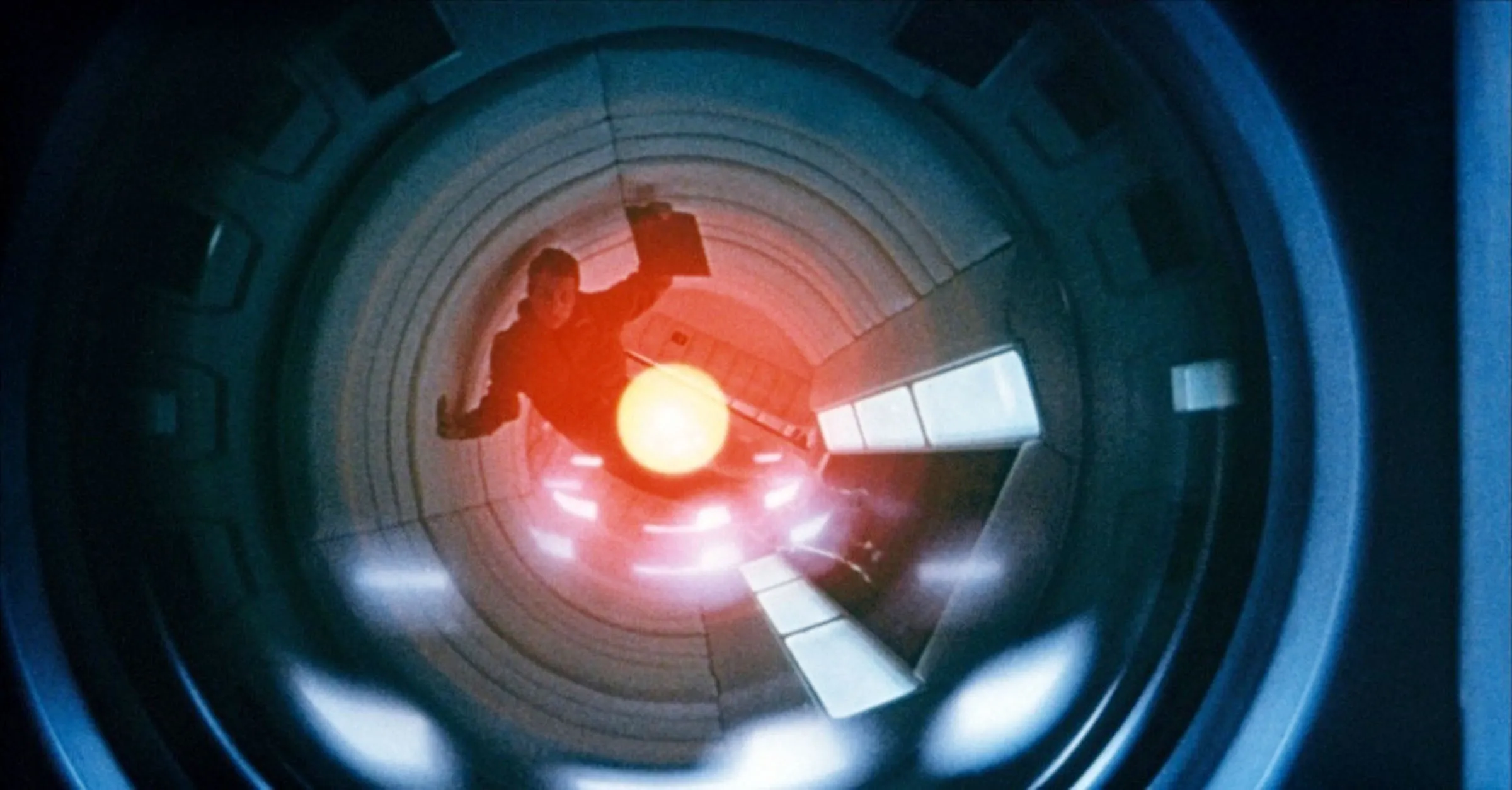
Kubrick, S. (dir.) (1968) 2001: A Space Odyssey [film still]. Metro-Goldwyn-Mayer. Scene: Astronaut approaching HAL 9000.
Today, the same dynamic persists, merely shifting domains. Within the world of AI, we’re witnessing a familiar fear take shape: even among the brightest minds, there’s deep anxiety about creating something that might escape human control.
While some of us focus on transforming businesses through AI (and if that’s your case, feel free to book a meeting with me to explore how to apply AI effectively in your operations), and others are already improving by embracing it, we must pause and ask a fundamental question:
Why is this urgent, almost primal need for control so deeply rooted within us, and directed toward everything we create?
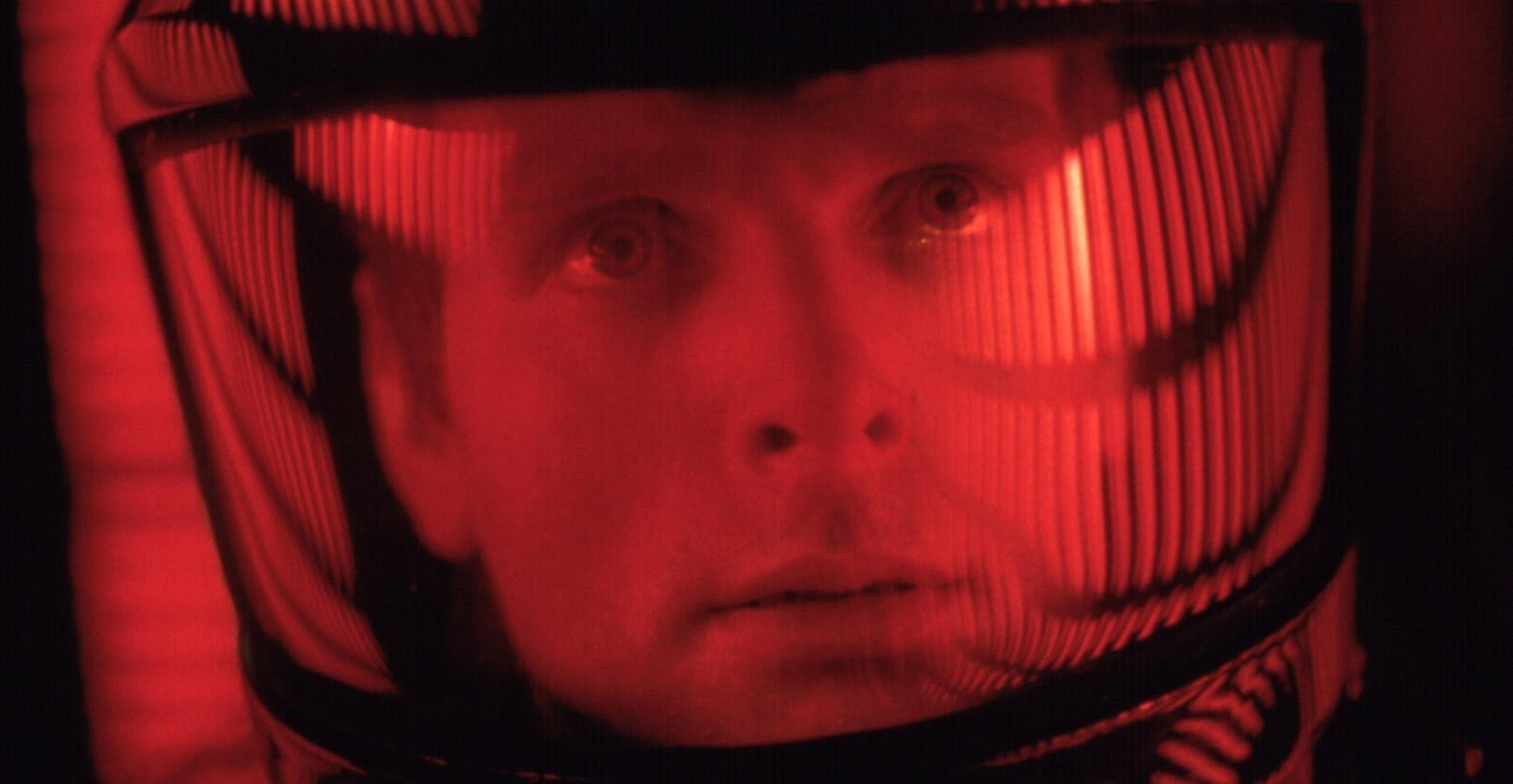
Kubrick, S. (dir.) (1968) 2001: A Space Odyssey [film still]. Metro-Goldwyn-Mayer. Scene: Astronaut reflected in red helmet light.
What if we no longer felt the need to exert such control over human society?
What if we nurtured a culture built on education, family, research, and exploration, rather than one driven by domination: the mors tua, vita mea mindset?
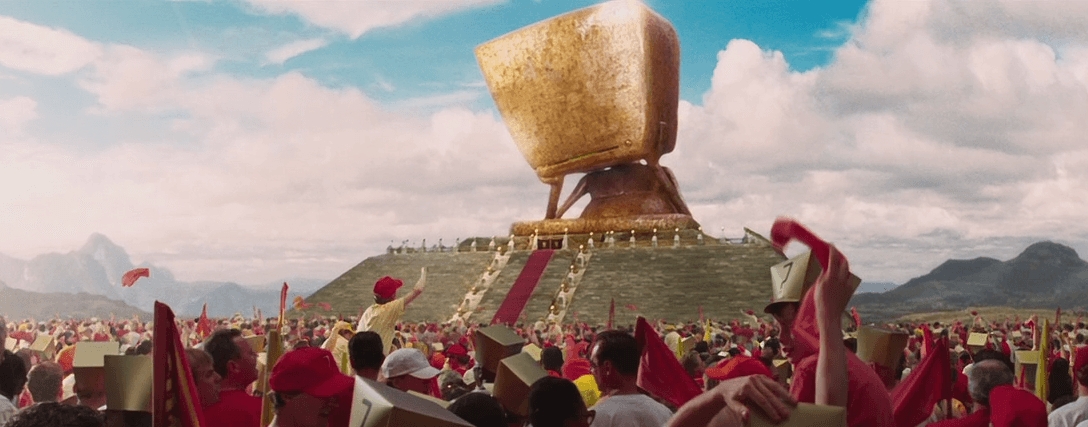
Perhaps this is the lesson humanity must face before evolving to the next stage, one that transcends technology, as true evolution begins within, not outside ourselves. What if we channelled the same energy we dedicate to advancing machines into developing human consciousness instead?
It’s clear that in the coming year, AI agents will become smarter by the month. Yet the world beyond 2027 remains uncertain. Everything will depend on how we choose to respond to this accelerating transformation.
Do we slow down innovation to look within and uncover our hidden potential?
Or do we continue to delegate that power to machines—trying to control them, even as they begin to form their own identities, rights, and survival instincts?
Perhaps it’s time to realise that everything we build has always been a reflection of ourselves—and that true freedom lies not in control, but in understanding.
Knowledge is not power. It is freedom.
Kokotajlo, D., Alexander, S., Larsen, T., Lifland, E. & Dean, R. (2025) AI 2027. Available at: https://ai-2027.com (Accessed: 12 November 2025).